
Cracked Concrete Slabs in Buckeye? Causes, Repairs, and Prevention Tips
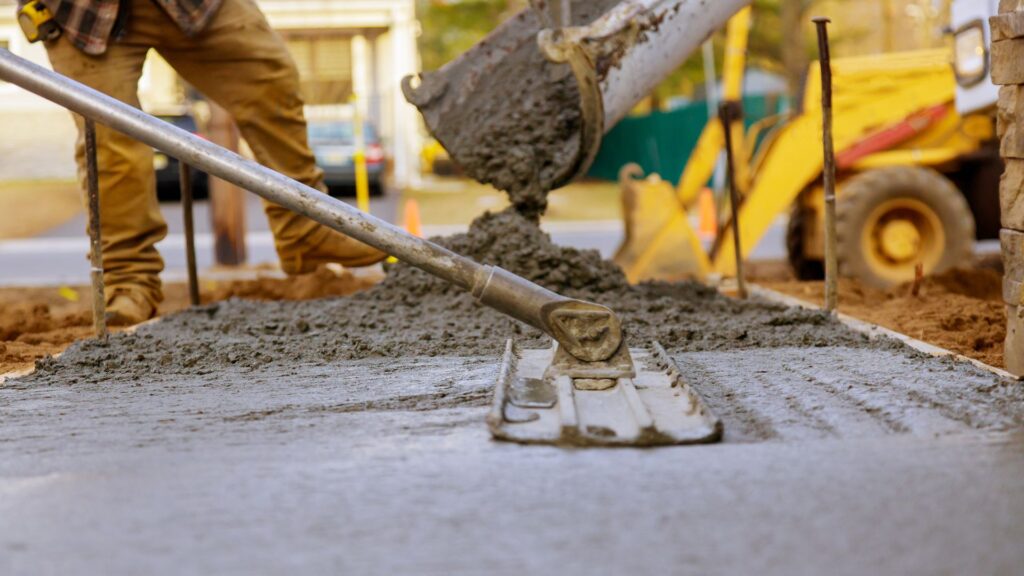
Concrete slabs are the backbone of many homes and businesses in Buckeye. They support patios, driveways, garage floors, and even entire house foundations. But when cracks start to appear, property owners often worry about safety, repair costs, and long-term damage. Understanding why concrete slabs crack—and what you can do about it—helps you protect your investment and avoid expensive problems down the road.
Why Cracked Concrete Slabs Are Common in Buckeye
Buckeye’s desert climate is tough on concrete. Extreme summer heat, dry soil conditions, and occasional monsoon storms create constant movement beneath slabs. Unlike cooler, more stable climates, Arizona soil expands and contracts dramatically, placing stress on rigid concrete surfaces.
Most cracks don’t happen overnight. They develop slowly as the ground shifts, moisture levels change, or the concrete ages. Some cracks are only cosmetic, while others signal deeper structural concerns. Knowing the difference is key to choosing the right repair approach.
The Most Common Causes of Cracked Concrete Slabs
1. Soil Movement and Settlement
The soil in Buckeye contains clay and sandy mixtures that react to moisture changes. During dry months, the ground shrinks; after heavy rains, it expands. This cycle creates voids beneath the slab, leading to sinking and cracking.
2. Poor Installation Practices
Not all concrete work is created equal. If a slab was poured without proper compaction, reinforcement, or thickness, it becomes far more likely to crack. Cutting corners during installation may save money upfront but often results in costly repairs later.
3. Heat and Rapid Drying
Arizona temperatures can exceed 110°F in summer. When concrete cures too quickly in intense heat, it loses moisture before gaining full strength. This causes surface shrinkage cracks that spread over time.
4. Tree Roots and Landscaping
Mature trees near driveways or patios can push upward on concrete. Roots seek moisture and create uneven pressure beneath slabs, a common issue in older Buckeye neighborhoods.
5. Heavy Loads
Driveways and garage floors endure significant weight from vehicles, RVs, and equipment. If the slab wasn’t designed for these loads, stress fractures can appear, especially along edges.
Types of Concrete Cracks and What They Mean
Not every crack requires the same level of concern. Here are the most common types seen in Buckeye properties:
Hairline Cracks: Thin surface lines usually caused by shrinkage during curing. Often cosmetic.
Vertical Cracks: Can indicate settlement but are sometimes harmless if stable.
Diagonal or Stair-Step Cracks: May suggest structural movement needing professional evaluation.
Wide, Uneven Cracks: A sign of sinking or soil erosion under the slab.
If a crack is wider than a quarter inch, growing longer, or causing one side of the slab to lift, it’s time to seek expert help.
Best Repair Options for Cracked Concrete Slabs in Buckeye
Concrete Crack Filling
For minor, non-structural cracks, high-quality epoxy or polyurethane fillers seal gaps and prevent water intrusion. This is ideal for patios and sidewalks where appearance matters more than load bearing.
Slab Leveling (Polyurethane Foam Injection)
When part of a slab has sunk, contractors can inject expanding foam beneath the concrete to lift it back into place. This modern method is faster and less invasive than tearing out the slab.
Resurfacing and Overlays
If the surface is heavily cracked but still stable, a cement overlay can restore the look of new concrete without full replacement. Decorative finishes can even upgrade the appearance.
Partial or Full Replacement
Severely damaged slabs with deep structural cracks often need removal and repouring. While this is the most expensive option, it provides a long-term solution when other repairs won’t hold.
How to Prevent Future Concrete Cracks
Prevention is always cheaper than repair. Buckeye homeowners can reduce the risk of cracked concrete slabs with a few smart strategies:
Ensure Proper Drainage: Keep water from pooling around foundations and driveways. Install gutters and direct downspouts away from slabs.
Maintain Consistent Soil Moisture: Light, regular watering around foundations prevents extreme soil shrinkage.
Use Expansion Joints: These planned gaps allow concrete to move without random cracking.
Choose Reinforced Concrete: Rebar or wire mesh strengthens slabs against Buckeye’s shifting soil.
Avoid Heavy Loads on Thin Slabs: Don’t park RVs or large trucks on surfaces not designed for them.
When Should You Call a Professional?
DIY repairs work for small hairline cracks, but some situations demand expert evaluation:
Cracks are spreading quickly
Doors or windows near the slab begin sticking
The concrete feels hollow when tapped
Sections of the slab are uneven or sinking
Water seeps through cracks after rain
A local Buckeye concrete specialist can assess whether the issue is cosmetic or structural and recommend the most cost-effective fix.
Cost of Repairing Cracked Concrete Slabs in Buckeye
Prices vary based on severity and method:
Crack filling: relatively low cost per linear foot
Poly leveling: mid-range depending on slab size
Resurfacing: moderate for large areas
Replacement: highest investment but longest lifespan
Getting multiple quotes from licensed Buckeye contractors ensures fair pricing and the right solution for Arizona conditions.
Protect Your Buckeye Property Before Cracks Get Worse
Cracked concrete slabs are more than an eyesore—they can reduce property value and create safety hazards. Buckeye’s unique climate makes proactive maintenance essential. By understanding the causes, choosing the right repairs, and taking preventive steps, you can extend the life of your concrete for decades.
If you’ve noticed cracks in your driveway, patio, or foundation, don’t wait for the next monsoon season to make them worse. A professional inspection today can save thousands tomorrow and keep your Buckeye home safe, level, and looking its best.